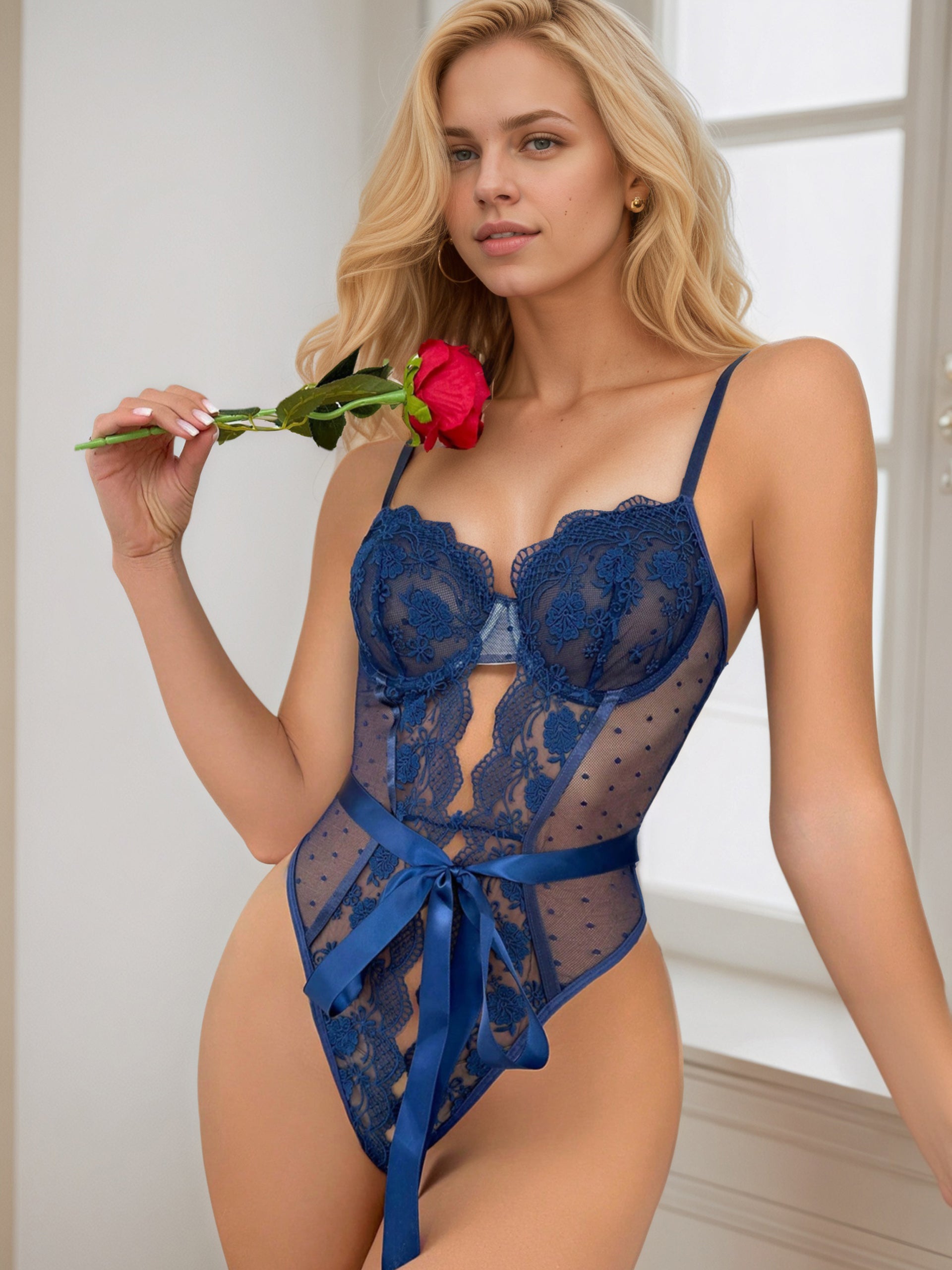
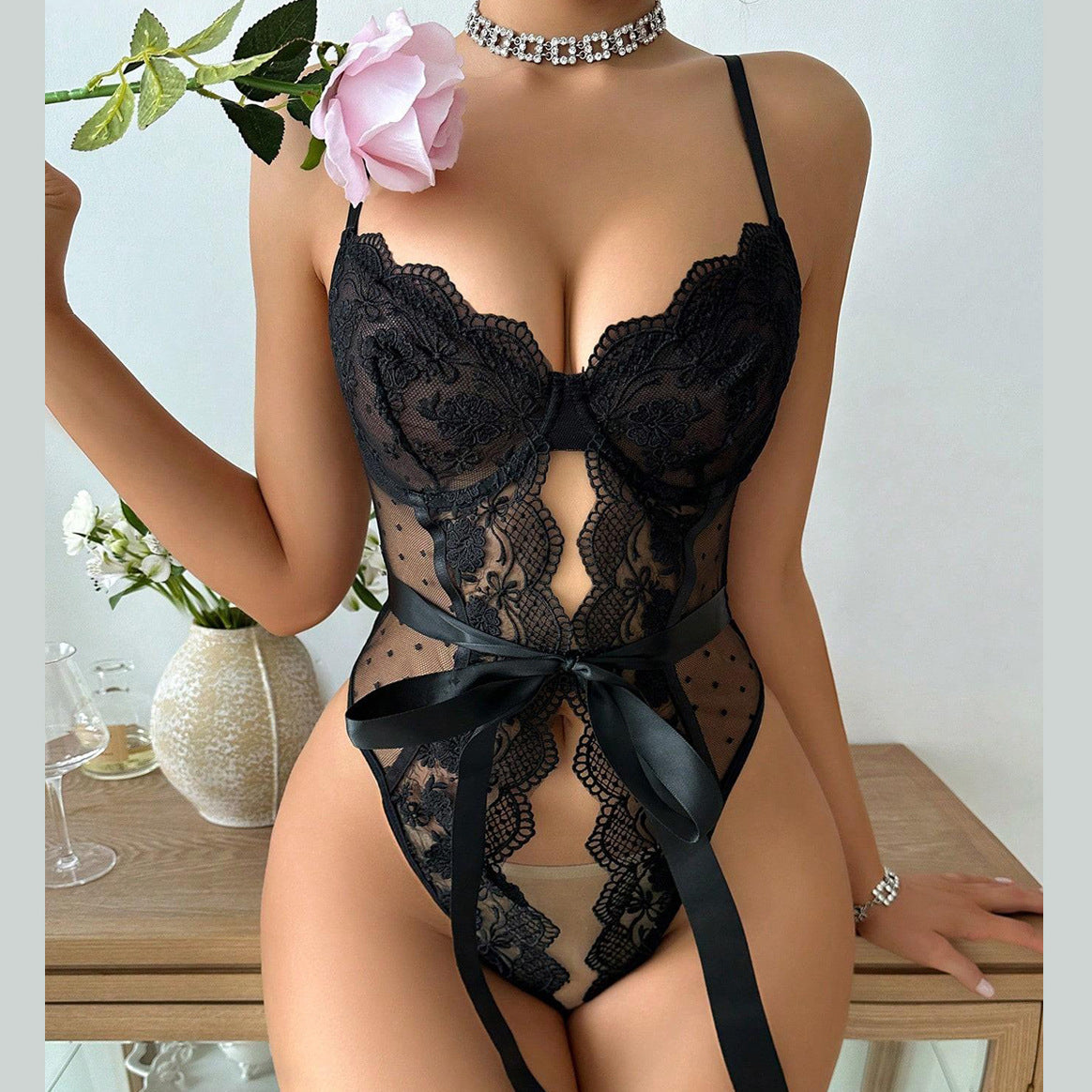
Cupless bras are often misunderstood as purely visual statement pieces, but their design purpose is more nuanced than many people assume. When thoughtfully constructed, this open-cup design focuses on framing, structure, and styling flexibility rather than traditional coverage.
Understanding how cupless bras are built — and how they differ from standard lace bras and structured lingerie — helps shoppers make more informed, comfort-aware choices.
This guide explains their design logic, support mechanics, and how to style them in a balanced, wearable way.
What Is a Cupless Bra — From a Design Perspective
A cupless bra (also called an open-cup design) removes full cup coverage while keeping the support framework of a bra intact. Instead of enclosing the bust, the garment relies on:
-
Underband tension
-
Strap positioning
-
Frame structure
-
Fabric reinforcement zones
From a garment engineering standpoint, this shifts the function from coverage-based support to frame-based support.
Many modern versions use reinforced lace, elastic mesh, or structured trims — similar techniques used in certain lace bra constructions — but applied differently to maintain stability without full cups.
Support Without Full Coverage: How Structure Still Matters
Even without cups, support does not disappear. It simply moves to other load-bearing areas.
Well-designed cupless bras typically include:
-
Firm underbands
-
Adjustable straps
-
Stabilizing side wings
-
Reinforced seams
-
Stretch-control lace or mesh
Support comes from distribution, not enclosure.
This is similar to how structured pieces like underbust corsets rely on frame tension rather than fabric coverage to create stability and shape.
Comfort Factors to Evaluate Before Choosing One
Comfort varies widely depending on materials and build quality. When evaluating a cupless bra, check:
Fabric softness — scratchy lace reduces wearability
Elastic recovery — stretched bands lose support
Seam placement — avoid friction zones
Strap adjustability — critical for balance
Band width — wider bands increase comfort
If you’re unsure how lace vs satin vs mesh affects comfort, fabric behavior is explained in detail in our satin vs lace lingerie comfort guide, which breaks down breathability and skin feel across materials.
Cupless vs Traditional Lace Bras
Traditional lace bras aim for:
-
Coverage
-
Shape control
-
Surface texture
Cupless bras aim for:
-
Frame emphasis
-
Visual contour
-
Styling flexibility
-
Layering potential
Many shoppers who enjoy decorative lingerie eventually explore both styles — starting with structured lace pieces and later experimenting with open-frame designs such as lingerie teddies and bodysuit styles, where structure and silhouette play a larger role than coverage alone.
Styling Balance: What Bottoms Work Best
Because cupless bras emphasize upper-body structure, balance matters in the lower half.
Best pairing categories:
-
High-waist panties
-
Lace briefs
-
Structured garter bottoms
-
Minimal seam underwear
-
Coordinated lace sets
A balanced set often feels more intentional than mixing unrelated pieces — especially within lace lingerie set styling approaches, where fabric and trim continuity improves visual harmony.
When Do People Choose Cupless Designs
Common non-novelty use cases include:
-
Layered styling looks
-
Structured lingerie photography
-
Fashion styling shoots
-
Coordinated themed sets
-
Personal wardrobe variation
Positioning them purely as novelty items actually undersells their role in design diversity within lingerie construction — which is why education-style guides like this are important for shopper clarity.
FAQ — Cupless Bras
Are cupless bras supportive?
They can be — when the band, straps, and frame are well-constructed. Support shifts from cups to structure.
Are cupless bras comfortable for longer wear?
Comfort depends on fabric softness, band tension, and seam design. Soft lace and elastic control are key factors.
How are they different from bodysuits or teddies?
Cupless bras are upper-body focused. Bodysuits and teddies distribute structure across the torso, which you can explore in our lingerie teddy and bodysuit guide.
Do cupless bras always use lace?
No. While lace is common, mesh, satin-trim, and stretch fabrics are also used.
If you’re exploring more structured and design-forward lingerie pieces, browsing thoughtfully built sets and frame-based styles can help you better understand how support and aesthetics work together — not just how they look on the hanger.